Planning a boat tour around Jupiter’s scenic inlet can leave you wondering what hidden stories and historic sites lie beyond the shoreline. Without a guide, it’s easy to miss the rich mix of cultural landmarks, ancient sites, and maritime history that make this area unique. The right information can help turn an ordinary cruise into an unforgettable journey into Florida’s past.
This list pulls together the most fascinating historic highlights you can experience from the water, from the iconic Jupiter Inlet Lighthouse—standing since 1860—to shell mounds built by the Jeaga people over 5,000 years ago. Get ready for a lineup of surprising discoveries, photo-worthy moments, and insights that will deepen your appreciation for every stop along the way.
| Takeaway | Explanation |
|---|---|
| 1. Boat Tours Enhance Lighthouse Experience | Water-based tours of the Jupiter Inlet Lighthouse offer unique photographic opportunities and perspectives not available on land. |
| 2. Discover the Rich Heritage at DuBois Park | The DuBois Park Shell Mound showcases artifacts and stories of the Jeaga people’s pre-Columbian life in Florida. |
| 3. Learn About the Jupiter Life Saving Station | This historic station highlights the bravery of surfmen who risked their lives for maritime safety along Florida’s coast. |
| 4. Explore the History of the Celestial Railroad | The Celestial Railroad, though short-lived, played a significant role in Northeast Palm Beach County’s early transportation. |
| 5. Recognize Indigenous Cultures along the Loxahatchee | The Loxahatchee River is a historical corridor reflecting the lives and cultures of Native American tribes over thousands of years. |
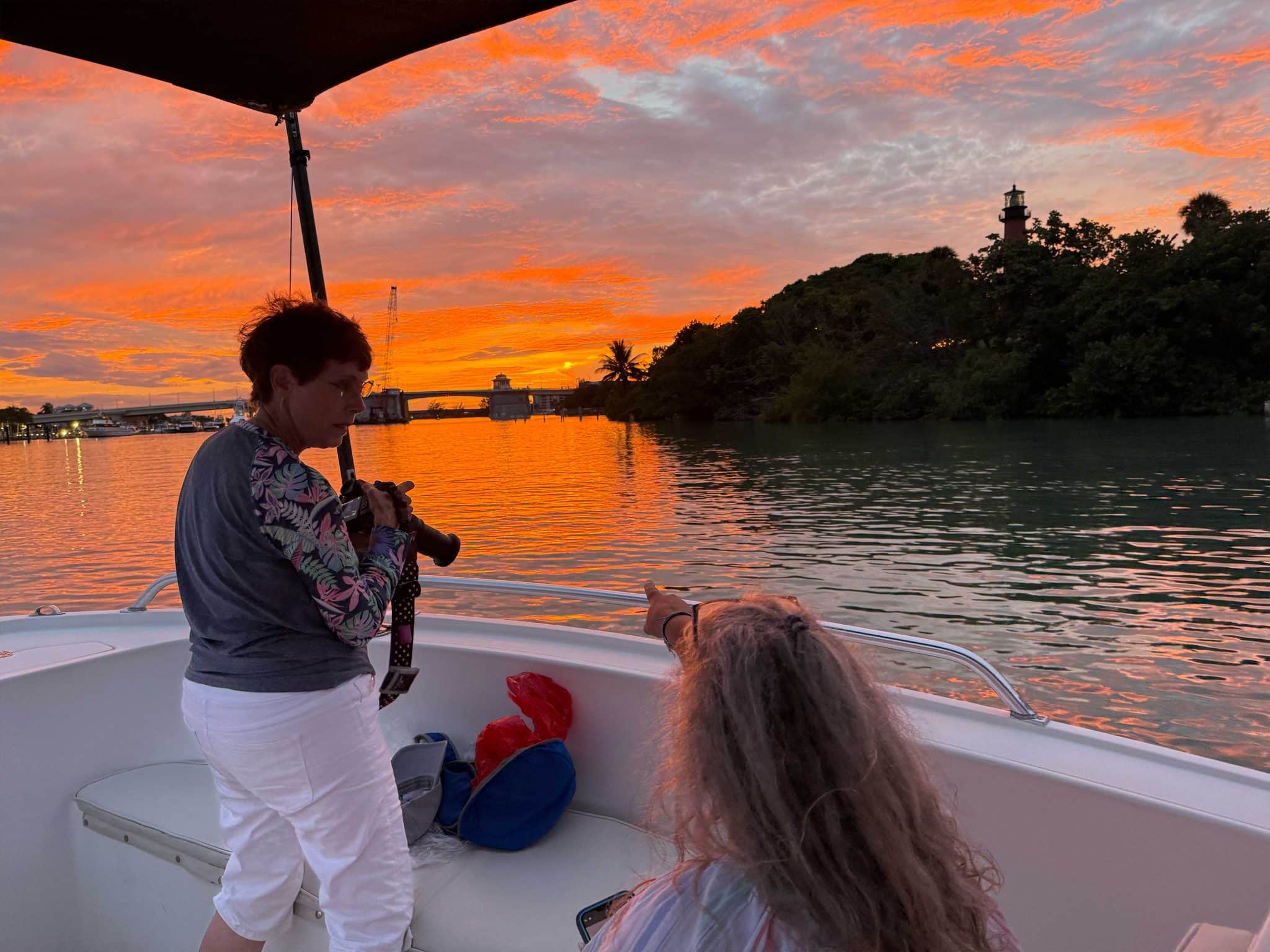
Discover the historic Jupiter Inlet Lighthouse, a stunning maritime landmark that offers unparalleled views of Florida’s scenic coastline. Standing 105 feet tall and completed in 1860, this lighthouse represents more than just a navigational beacon—it’s a living testament to the region’s rich maritime heritage.
Boat tours provide a unique perspective on this iconic structure, allowing visitors to appreciate its architectural beauty and historical significance from the water. Unlike land-based tours, water tours offer:
The lighthouse sits on a 120-acre protected area with archaeological sites dating back over 5,000 years. During World War II, this location played a crucial role in U.S. military intelligence, adding layers of historical intrigue to your tour experience.
The Jupiter Inlet Lighthouse is not just a structure—it’s a portal to Florida’s vibrant maritime history.
Visitors can capture incredible photographs of the lighthouse from unique water-based perspectives, making it a must-see destination for history buffs and photography enthusiasts alike.
Pro tip: Bring a zoom lens or binoculars to capture detailed shots of the lighthouse without disrupting the boat’s movement.
Step back in time and explore one of Jupiter’s most fascinating archaeological treasures—the remarkable DuBois Park Shell Mound. This ancient site offers a fascinating glimpse into the rich Native American heritage of Florida’s coastal regions.
The shell mound was constructed by the Jeaga people, an indigenous community that inhabited this area for thousands of years. Originally spanning an impressive 600 feet long and 20 feet high, this monumental site contains artifacts that tell a compelling story of pre-Columbian life.
Key features of the DuBois Park Shell Mound include:
The DuBois Park Shell Mound represents more than just archaeological remains—it is a testament to the vibrant civilizations that thrived long before European contact.
Visitors can explore this National Register of Historic Places site and imagine the rich cultural life of the Jeaga people who carefully constructed this remarkable landscape. The shell mound serves as a powerful reminder of the sophisticated societies that existed in Florida centuries before modern settlement.
Pro tip: Bring a field guide or local history book to help contextualize the archaeological details you’ll encounter during your boat tour of this historic site.
Discover the extraordinary maritime rescue history of Jupiter through the remarkable Jupiter Life Saving Station, a crucial landmark that represents heroism and maritime safety along Florida’s treacherous Atlantic coastline.
Established in 1885, this historic station was a critical lifeline for sailors navigating the dangerous waters near Jupiter Inlet. The brave surfmen stationed here were trained professionals who risked their lives to rescue shipwreck victims and prevent maritime tragedies.
Key highlights of the Jupiter Life Saving Station include:
The Jupiter Life Saving Station represents more than a building—it symbolizes human courage in the face of nature’s unpredictability.
Though the original station no longer stands, its legacy continues to inspire appreciation for the maritime heroes who protected sailors during a challenging era of exploration and trade.
Pro tip: Bring binoculars and a local history book to help you fully appreciate the historical context of maritime rescue during your boat tour.
Imagine a railroad with stations named after celestial bodies Venus and Mars. The Jupiter and Lake Worth Railway might sound like a fictional tale but was a real marvel of late 19th-century transportation that connected crucial Florida waterways.
Operating from 1889 to 1895, this narrow gauge railroad was a unique transportation marvel that played a pivotal role in developing Northeastern Palm Beach County. The Celestial Railroad uniquely connected Jupiter Inlet to Lake Worth Lagoon with its whimsical planetary-themed stations.
Interesting characteristics of the Celestial Railroad include:
The Celestial Railroad was more than a transportation line—it was a testament to human innovation in a rapidly changing landscape.
The railroad ultimately ceased operations after Henry Flagler constructed the Florida East Coast Railway nearby, marking the end of this brief but fascinating chapter in regional transportation history.
Pro tip: Ask your boat tour guide about local railroad history to gain deeper insights into the region’s fascinating transportation evolution.
Stand in awe of the remarkable legacy of Captain James Armour, a legendary lighthouse keeper who shaped the maritime history of Jupiter’s coastline. His home represents more than just a historic structure—it symbolizes the enduring spirit of early Florida coastal guardians.
Captain Armour served as the Head Keeper of the Jupiter Inlet Lighthouse for an extraordinary 37-year period from 1869 to 1906, dedicating his life to maintaining this critical maritime beacon.
Key highlights of Captain Armour’s remarkable legacy include:
Captain Armour was more than a lighthouse keeper—he was a guardian of maritime safety and local history.
His contributions went far beyond mere maintenance. Captain Armour was a pivotal figure in ensuring safe passage for countless ships navigating the treacherous Florida coastline during a transformative period in American maritime history.
Pro tip: Bring a pair of binoculars to get a closer look at historical maritime landmarks while cruising past Captain Armour’s historic home.
Embark on a journey through time as you cruise past Jupiter’s most remarkable waterfront historic estates, each telling a unique story of the region’s fascinating architectural and cultural evolution. These remarkable properties offer a window into the rich tapestry of Florida’s pioneering history.
The waterfront area showcases an extraordinary collection of estates that represent different eras of Jupiter’s historical settlement patterns. From indigenous shell middens to early pioneer homesteads, these properties stand as living monuments to the area’s diverse heritage.
Highlights of Jupiter’s historic waterfront estates include:
These waterfront estates are more than buildings—they are storytellers of Jupiter’s incredible journey through time.
The estates along the waterfront demonstrate the remarkable transformation of this region from indigenous lands to contemporary communities, offering visitors a unique perspective on Florida’s rich cultural landscape.
Pro tip: Bring a pair of binoculars and a local history guidebook to help you identify and appreciate the architectural details of these historic waterfront properties.
Discover the profound indigenous heritage of the Loxahatchee River region that stretches back over 5,000 years. This waterway is not just a scenic route but a living historical corridor that tells the story of Native American civilizations long before European contact.
The Loxahatchee region was home to indigenous tribes like the Jeaga and Hobe (Jobe), who developed sophisticated cultures intimately connected with the river’s ecosystem. Their rich history comes alive through local exhibits that showcase artifacts and traditional lifeways.
Key aspects of indigenous history along the Loxahatchee include:
The Loxahatchee River is more than water—it is a living museum of indigenous resilience and cultural continuity.
Visitors can gain deep insights into the area’s indigenous heritage through carefully preserved historical sites and educational programs that honor the region’s original inhabitants.
Pro tip: Bring a notebook to jot down interesting historical details and ask your tour guide about the specific indigenous cultures that inhabited this region.
Below is a comprehensive table summarizing the key points and noteworthy highlights from the article discussing historic and cultural sites in Jupiter, Florida, as explored through various thematic activities.
Unlock the captivating stories behind the 7 must-see historical sites on Jupiter water tours with Flying Lady Tours. Whether you want to explore the Jupiter Inlet Lighthouse, the DuBois Park Shell Mound, or the legendary Jupiter Life Saving Station, our narrated boat tours bring these landmarks to life. With small group sizes and private options, you will enjoy an intimate and educational journey that highlights the very best of Jupiter’s rich maritime heritage and indigenous history.
Don’t miss your chance to see these iconic locations from the water while learning fascinating details about Captain Armour, the Celestial Railroad, and waterfront historic estates. Visit our History Archives – Flying Lady Boat Tours and Jupiter Archives – Flying Lady Boat Tours to discover how we tailor each tour to provide an unforgettable experience. Book your expertly narrated adventure today at Flying Lady Tours for a unique connection to Florida’s past and an inspiring sightseeing cruise that will thrill history lovers and explorers alike.
You can explore several notable historical sites on Jupiter water tours, including the Jupiter Inlet Lighthouse, DuBois Park Shell Mound, Jupiter Life Saving Station, and the Captain Armour House. Each site offers a unique glimpse into the region’s rich maritime history and cultural heritage.
Bring a zoom lens or binoculars to your water tour to capture detailed photographs of the Jupiter Inlet Lighthouse. Finding a good angle from the boat offers stunning views that significantly enhance your photography experience.
Yes, many boat tours include knowledgeable guides who provide insights into the significance of the DuBois Park Shell Mound and its archaeological value. Participating in a guided tour enhances your understanding of the Native American heritage in the area.
Water tours typically last between 1.5 to 3 hours, depending on the number of sites included in the itinerary. Plan accordingly to ensure you have enough time to fully appreciate each historical location.
In addition to your camera or binoculars, it’s advisable to bring water, sunscreen, and a local history guidebook for richer context. Being prepared will enhance your overall experience and allow you to enjoy the tour comfortably.
Yes, many tours include information about the indigenous history along the Loxahatchee River, highlighting the cultures that once thrived there. Engage with your guide to learn about the remarkable histories that shape this region.